
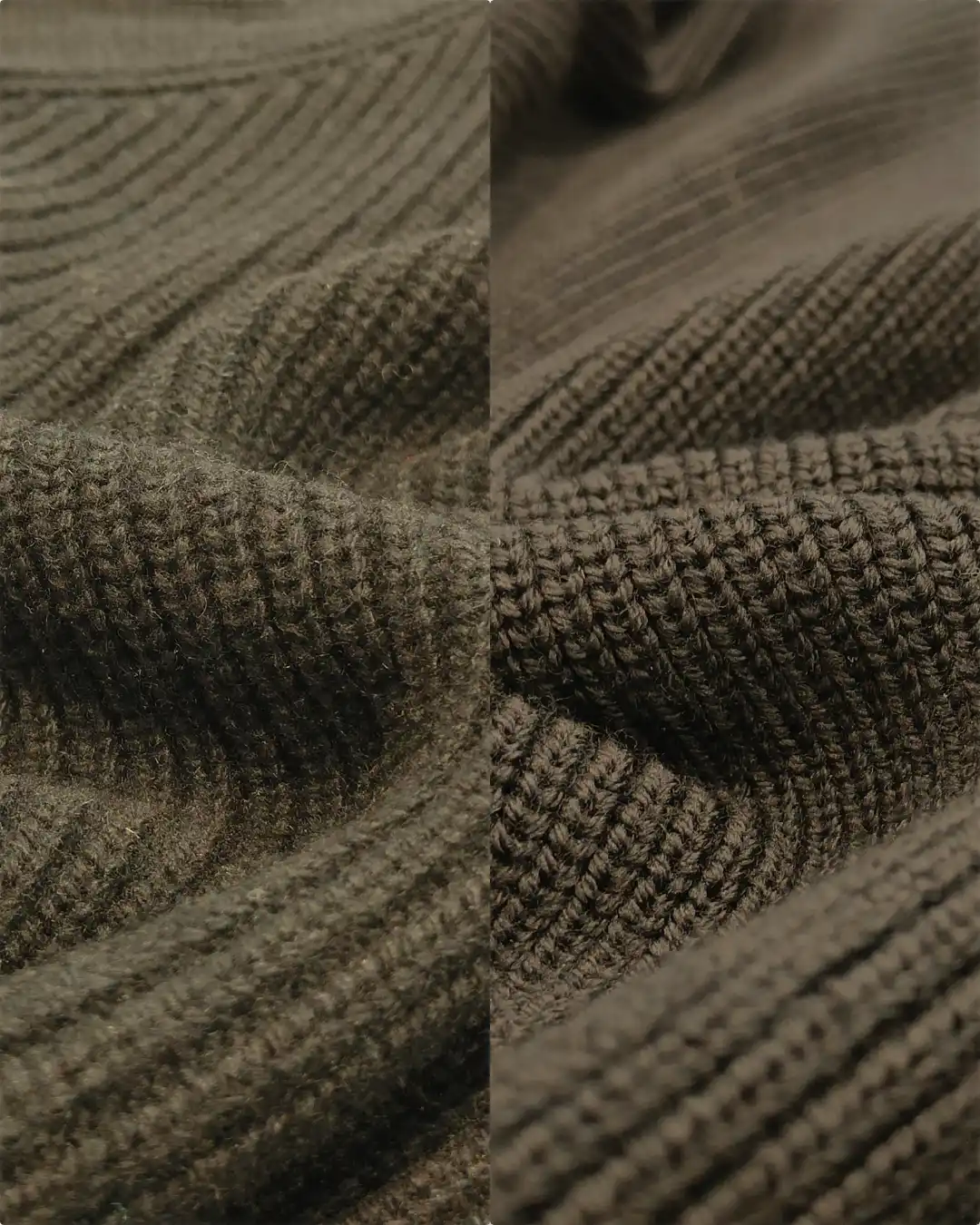
Yarn is never “just a yarn.” The way it is spun directly defines the aesthetics, hand feel, performance, durability and identity of the finished garment. In knitwear, two spinning techniques are fundamental: carded spinning and combed spinning. Understanding the difference between them is not a minor technical detail, but a key design skill for designers, product developers and brands. In this Yarn Atelier guide by Max Company, we analyse how these two spinning methods work, what truly changes between them, and when to choose one over the other in order to develop coherent, reliable and industrially viable knitwear collections.
Download our guide on carded and combed yarnsWhat Is Carded Spinning?
Process
In carded spinning, fibres are opened and oriented using carding machines (rotating combs).
The fibres remain irregularly aligned, and shorter fibres are not removed, staying within the sliver that will later be spun.
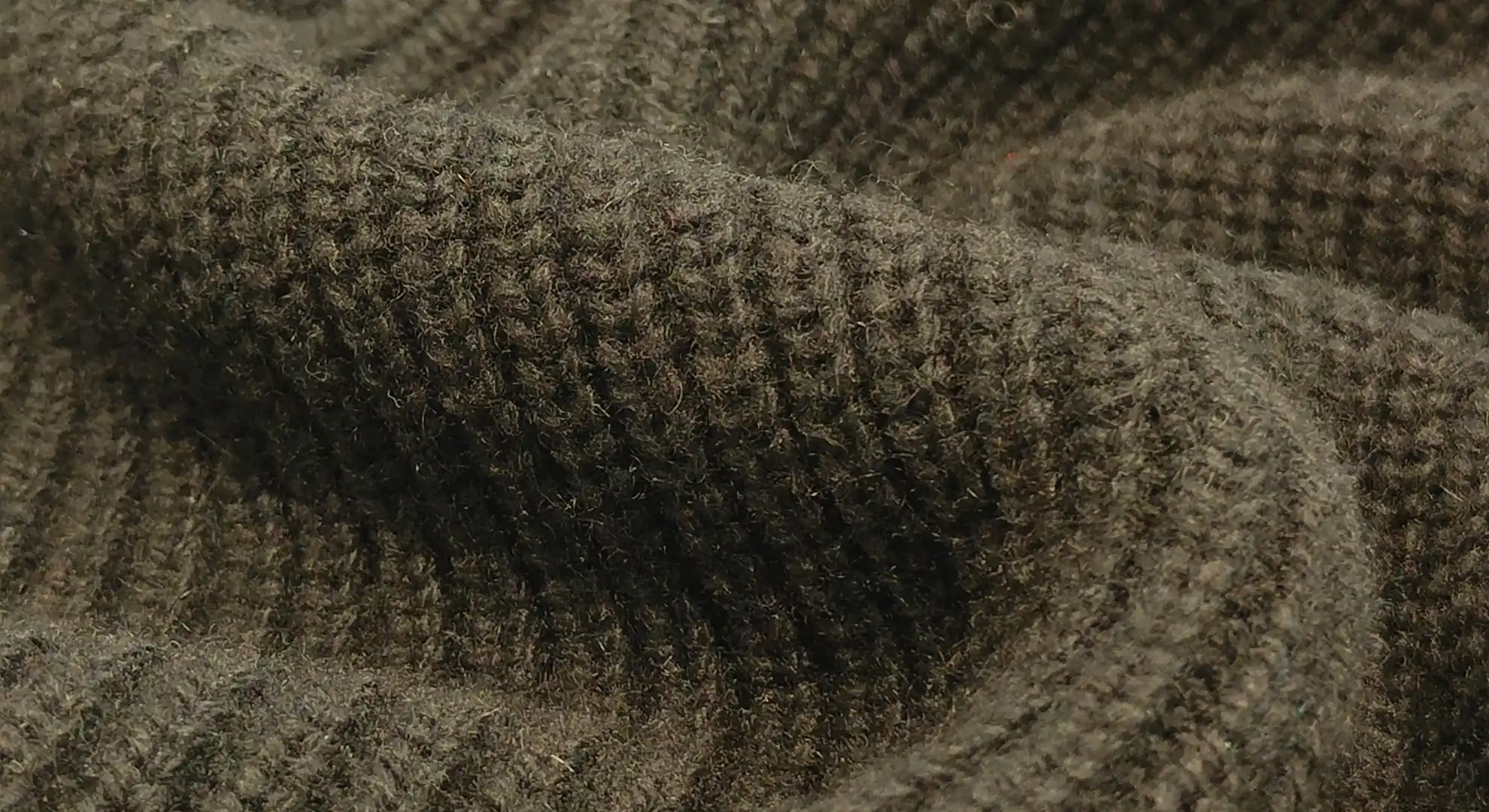
The result is a yarn that is more voluminous, soft and natural.
Appearance and Hand Feel
Carded yarn typically features:
- a soft, slightly hairy surface
- a natural, textured and rustic look
- a warm, enveloping and comfortable hand feel
Key Characteristics
- Traps more air → excellent thermal insulation
- Strong sensation of warmth and comfort
- Lower mechanical resistance compared to combed yarn
Typical Applications
- Winter sweaters
- Casual and outdoor garments
- Scarves, blankets and bulky knitwear
- Projects with a handcrafted, material-driven identity
What Is Combed Spinning?
Process
After carding, fibres go through the combing stage. During this phase:
- short fibres and impurities are removed
- long fibres are aligned in a parallel direction
This produces a compact and uniform top, which is the basis for finer, stronger and more regular yarns.
Appearance and Hand Feel
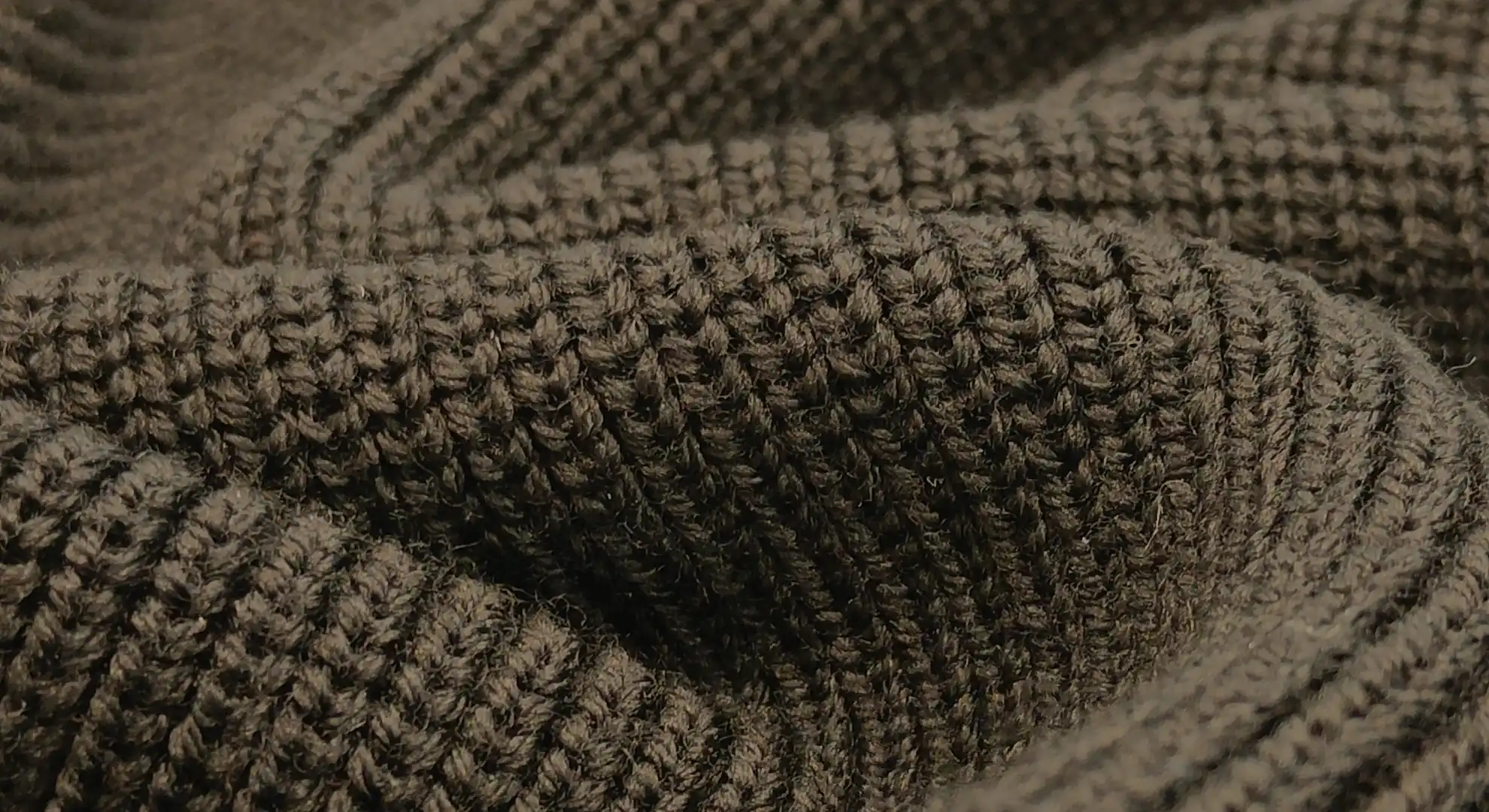
Combed yarn is:
- smooth, compact and clean
- visually more defined
- characterised by an even, elegant hand feel
Key Characteristics
- Higher strength and long-term durability
- Less hairy surface
- More vivid and uniform colour results
- Ideal for higher gauges and fine knitwear
Typical Applications
- Fine-gauge knit polos
- Luxury turtlenecks
- Refined and sartorial knitwear
- Collections with precise fit and clean aesthetics
Direct Comparison: Carded vs Combed

Which Spinning Method Should You Choose?
There is no “better” spinning method in absolute terms.
The right choice depends on the project, the brand’s identity and the final use of the garment.
During product development, it is essential to evaluate:
- garment type
- season and function
- required comfort level
- gauge and stitch structure
- aesthetic expectations and durability
In summary:
- Carded yarn → warmth, softness, volume, material-driven identity
- Combed yarn → elegance, precision, durability and formal cleanliness
Yarn choice is a design decision, not a technical afterthought.
Why Working with an Expert Partner Makes the Difference
The performance of a yarn does not depend only on its technical datasheet, but on how it is interpreted in knitwear: gauge, stitch, tensions, finishing processes and industrialisation are what truly make the difference.
At Max Company, with over 60 years of experience in knitwear, we support brands:
- in selecting the most suitable yarns
- in choosing the correct spinning method
- in developing swatches and prototypes
- all the way through to final production
We transform creative ideas into reliable, coherent and industrially viable products.
Looking for a Knitwear Development Partner?
Early technical dialogue can save time, costs and unnecessary revisions.
👉 Contact us to discuss your project and develop the most suitable solution together.
